Week 1 in my 6 weeks series of tools and techniques to help Children and Young People through transitions
As the summer holidays in England & Wales reach their halfway point, many children and young people are beginning to feel the first flickers of worry about the return to school. While this time of year can bring excitement and curiosity, it can also stir up anxiety, sadness, frustration, or fear — especially for those facing big changes like a new school or classroom.
These feelings are perfectly natural. But often, children don’t have the words to explain what’s going on inside. As adults, it’s tempting to reassure, distract or even dismiss them — but what they really need is help noticing, naming, and managing their emotions.
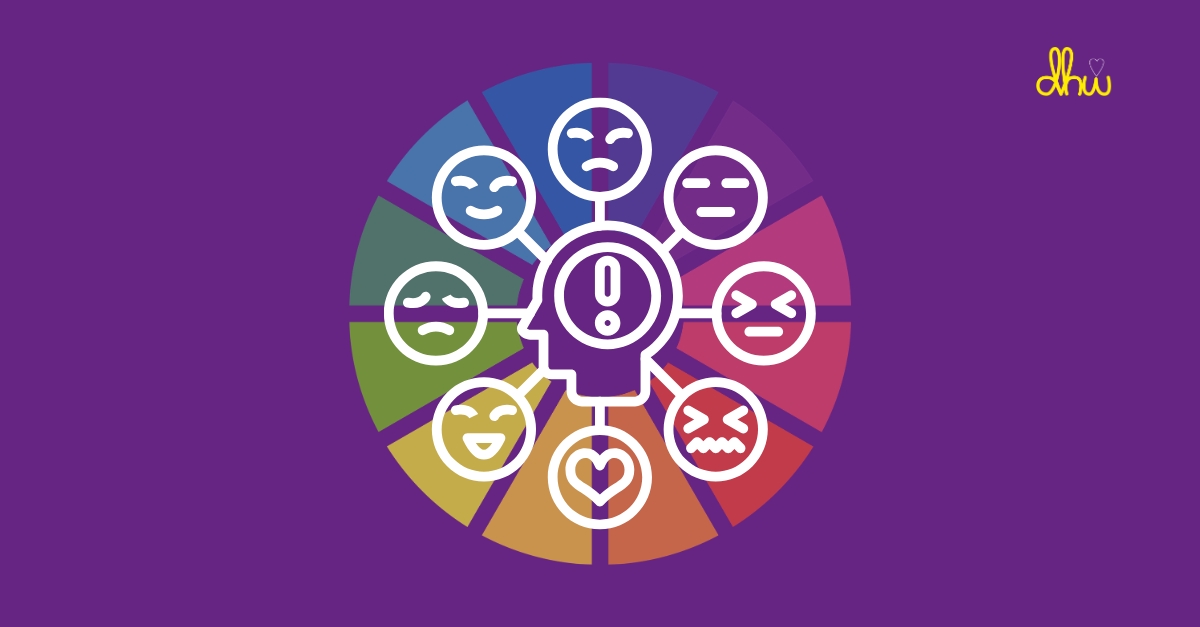
The film Inside Out does a great job showing how emotions like Sadness play a role when big changes happen — like moving city or changing schools. These feelings will pass, but allowing them to come up is the first step to releasing them.
Here’s a quick, creative technique that helps children externalise their feelings so they feel less overwhelming — and more manageable:
Colour Breathing: A Simple Tool for Emotional Awareness
This calming, imaginative exercise helps children connect with their emotions through visualisation and breath:
- Ask the child to give their negative feeling a colour. (e.g. worry might be grey, anger red, excitement yellow.)
- Notice where in their body they feel that emotion. Is it in their tummy, their chest, their throat?
- Have them close their eyes and imagine that colour sitting in that spot.
- Encourage them to breathe in slowly — then breathe that colour out.
- Repeat until the colour fades or disappears.
- Next, invite them to breathe in a new colour representing a feeling they want more of — like calm (blue), confidence (gold), or happiness (green).
- For these positive colours encourage the child to breathe in the colour and enjoy it.
This practice can be done in just a few minutes and helps children become more emotionally literate, grounded, and resilient – especially during times of transition.
Don’t Forget to Balance the Worries with Positives
Alongside this, help them actively focus on the good things about the change. Make it playful –
who can think of the most reasons to look forward to the new term? Friends, favourite subjects, clubs, or simply the joy of new stationery!
Spending just a few minutes each day naming these positives helps create a sense of balance – reminding them (and us) that it’s okay to feel nervous and excited at the same time.
I’ll be sharing more quick, practical strategies to support children & young people through this transition with my ‘Supporting Transitions’ series in the coming weeks. If you have a question or tip to share Pop it in the comments or send me a message -I’d love to hear from you