Week 3 in my series of tools and techniques to help children and young people through times of transition.
As we get closer to the start of school or other big changes, it’s normal for children and young people to feel nervous. Helping them develop simple ways to calm their minds and bodies can make a real difference. Week 1 explored colour breathing. Week 2 looked at practical preparations. This week we’re building on that with two more calming techniques: visualisation and grounding.
This article is the third part of my six-week series of articles focussed on supporting children and young people through times of transition.
-> Not All Change Feels Exciting – Supporting Children & Young People Through Transition
-> Week 1 – Helping Children Process Their Feelings
-> Week 2 – Helping Children Feel Ready for the New School Year
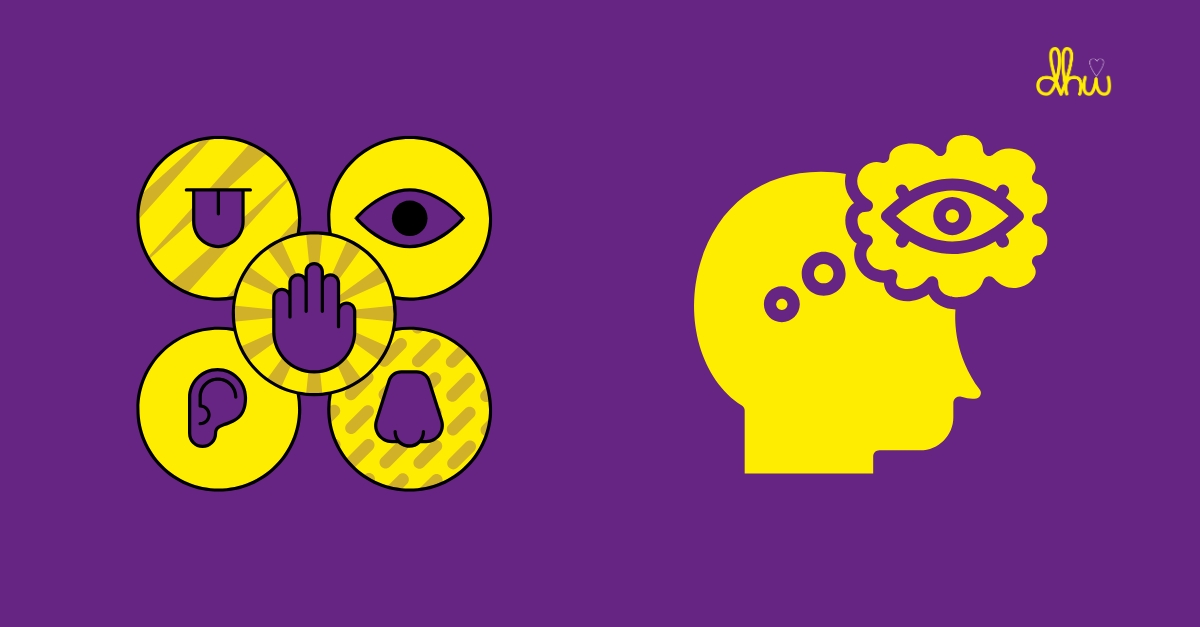
Visualisation
For some* children and young people Visualisation can be a useful technique to help the brain relax and shift attention away from worries.
*If you think the visualisation may bring stressful school scenarios to the forefront of their mind and cause more anxiety then this may not be the technique to use with this particular person.
As children and young people think about the approaching school/college term they can begin to feel nervous, anxious or stressed.
1. Find a quiet spot and ask your child or young person to close their eyes.
2. Encourage them to imagine a peaceful place – maybe a beach, a garden, or anywhere that feels safe and happy.
3. Ask them to picture the details: the colours, sounds, smells, and how the air feels.
4. Invite them to take slow, steady breaths as they explore this place in their mind
Younger children may need more guidance (e.g. “Imagine the warm sun on your face…”), while older children or teens can personalise their scene or even add calming words or mantras.
Other approaches that may be helpful would be drawing, journalling or simply noticing physical sensations more effectively by giving themselves time to think about and describe/draw them. Keep sessions short, check in with how they feel, and don’t push if it seems unhelpful.
Grounding
Grounding brings attention back to the present moment – especially useful when worries feel overwhelming.
A simple method for this techniques is the ‘5-4-3-2-1′ exercise:
Name:
- 5 things you can see
- 4 things you can touch
- 3 things you can hear
- 2 things you can smell
- 1 thing you can taste (or just focus on your breathing if that’s easier)
Younger children may prefer fewer senses with adult support.
Older children and teens can use this on their own whenever they feel anxious.
Putting it into practice
Pairing visualisation or grounding with everyday routines can help ease transition nerves:
- Spend a few minutes on a calming visualisation before bedtime or in the morning.
- Use grounding at night to settle busy thoughts, or first thing in the morning to create a sense of calm.
- Younger children will benefit most if you go through the exercises with them but for older children/teens you can frame this as a tool for independence. Somthing they can use without anyone else being involved or knowing about it – a way of taking control of their own stress. A useful tip may be to discuss a ‘reset phrase’ with the young person. A prompt that they can use to remind themself about the techniques but also something you might say to them if you notice they are getting anxious – something that wouldn’t be noticed by anyone else.
The more these become habits, the easier it is for children and young people to use them whenever they need a reset – whether that’s before school, during a busy day, or at home.
Have you tried visualisation or grounding with your child or young person? I’d love to hear what’s worked — feel free to share your experiences or tips in the comments.