
Resilience is a vital trait that helps us navigate life’s inevitable challenges, whether at work, in our personal lives, or in our relationships.
“The Three Little Pigs” classic story is a brilliantly simple way to illustrate some invaluable lessons in resilience, showing how preparation, perseverance, and strategic thinking can help us weather life’s inevitable storms.
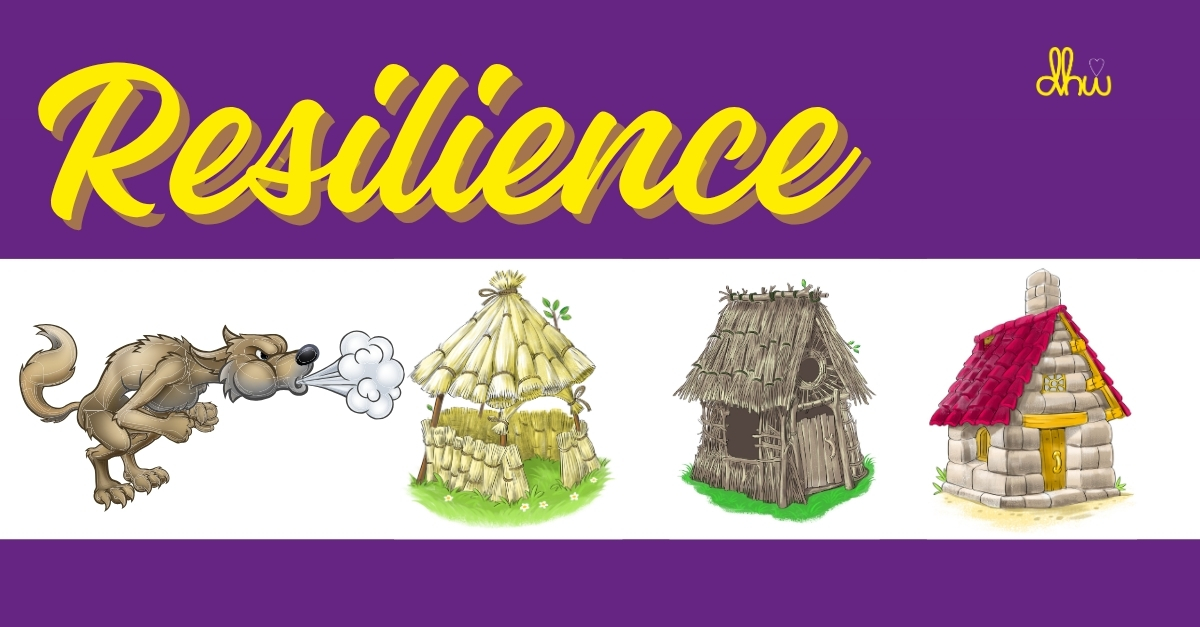
The Tale of the Three Little Pigs As the story goes, three little pigs each built a house: one of straw, one of sticks, and one of bricks. When the big bad wolf came huffing and puffing, he easily blew down the straw and stick houses. However, the brick house withstood his efforts, keeping the third pig safe.
The Straw House: Short-Term Coping Mechanisms (the ‘quick fix’)
The first pig, in haste, built a house of straw. Whilst this achieved their goal of building his own house and getting shelter quickly and easily, it lacked durability and did not take into consideration the structure’s limitations to withstand the stresses they would face (ie the wolf).
The Stick House: Moderate Preparation
The second pig, slightly more cautious, built their house out of sticks. It was sturdier and more resilient than the straw house but still insufficient against the wolf’s strength. This reflects a moderate level of preparation for mental resilience, such as occasional self-care activities or sporadic stress management practices. Adequate preparation is crucial, but it’s not just about doing more; it’s about doing what is necessary for sustained mental health.
The Brick House: Long-Term Mental Resilience
The third pig’s brick house symbolises thorough preparation and planning for the likely and less likely challenges their house would face. Building with bricks took time and effort, but it provided the resilience needed to withstand the wolf’s huffing and puffing. This approach mirrors the approach required to build sustainable mental health resilience in all aspects of life. True resilience comes from investing in strong, well-thought-out mental health strategies that consider both current and future challenges.

Building your own resilient Brick House
To steal a phrase – Don’t ‘build a house of straw’, not taking time to think about your current levels of resilience and stress. A quick meditation session may help you feel better for the short term but as soon as you face a stressor this will crumble. Consider the stressors/challenges you have in your life both now and in the future. Are they aligned or insufficient in any way? You may need to consider them across both your work and personal life.
What things are essential to you feeling safe, happy, content, and healthy. A solid foundation – not just the ‘stick house’ for today but a resilient base for the future as well? Once you know what these are, plan to revisit them regularly.
What regular self-care routines do you have or want to build into your life?
Take a look at the things you currently do to manage your mental health – are they short, medium or long-term fixes and how effective are they?
Mindfulness Techniques for Building Resilience
Mindfulness is a powerful tool for building resilience, helping you stay present, reduce stress, and improve emotional regulation. Here are some mindfulness techniques to integrate into your daily routine:
Mindful Breathing: Focus on your breath, noticing the sensation of air entering and leaving your body. When your mind wanders, gently bring your attention back to your breathing. This practice helps centre your thoughts and reduce anxiety.
Body Scan Meditation: Sit or lie down in a comfortable position and slowly scan your body from head to toe, noticing any tension or discomfort. This technique helps you become more aware of your physical state and release stress.
Mindful Observation: Take a few moments to observe your surroundings. Notice the colours, shapes, sounds, and smells around you. This practice helps you stay grounded and connected to the present moment.
Daily Glads: Each day, write down or say out loud at least 5 things you are glad for from that day. This practice shifts your focus from negative thoughts to positive experiences, enhancing your overall mood and resilience. A good one to do before bedtime.
Mindful Walking: Take a walk and focus on the sensation of your feet touching the ground, the movement of your body, and the rhythm of your breath. This technique combines physical activity with mindfulness, reducing stress and enhancing well-being.

Key Takeaways for Building Mental Health Resilience
- Invest in Strong Foundations: Avoid the temptation of quick fixes other than as just that. Invest in building a solid foundation for your mental health through consistent self-care and proactive stress management.
- Continuous Improvement: Strive for continuous improvement. Stay informed about mental health practices and remain adaptable to changes in your life.
- Strategic Foresight: Plan for the long term. Consider potential challenges and prepare accordingly to build lasting mental resilience.
Practical Strategies for Enhancing Mental Resilience
- Mindfulness and Meditation: Engage in daily mindfulness practices to stay grounded and reduce anxiety. Apps like Headspace or Calm can provide guided sessions.
- Physical Activity: Regular exercise is proven to boost mood and reduce stress. Aim for at least 30 minutes of moderate exercise most days of the week.
- Social Support: Cultivate strong relationships with friends, family, or support groups. Sharing your experiences and seeking support can alleviate stress.
- Professional Help: Don’t hesitate to seek professional help if needed. Therapists and counsellors can provide personalised strategies for managing stress and building resilience.
- Healthy Lifestyle: Maintain a balanced diet, get adequate sleep, and avoid excessive use of alcohol or drugs. These factors significantly impact your mental well-being.
- Skill Development: Learn stress management techniques such as deep breathing, progressive muscle relaxation, or cognitive-behavioural strategies.
Like the Three Little Pigs’ houses, our resilience is not built overnight. It requires careful planning, diligent effort, and a commitment to long-term success.